▼チャム(Cham)
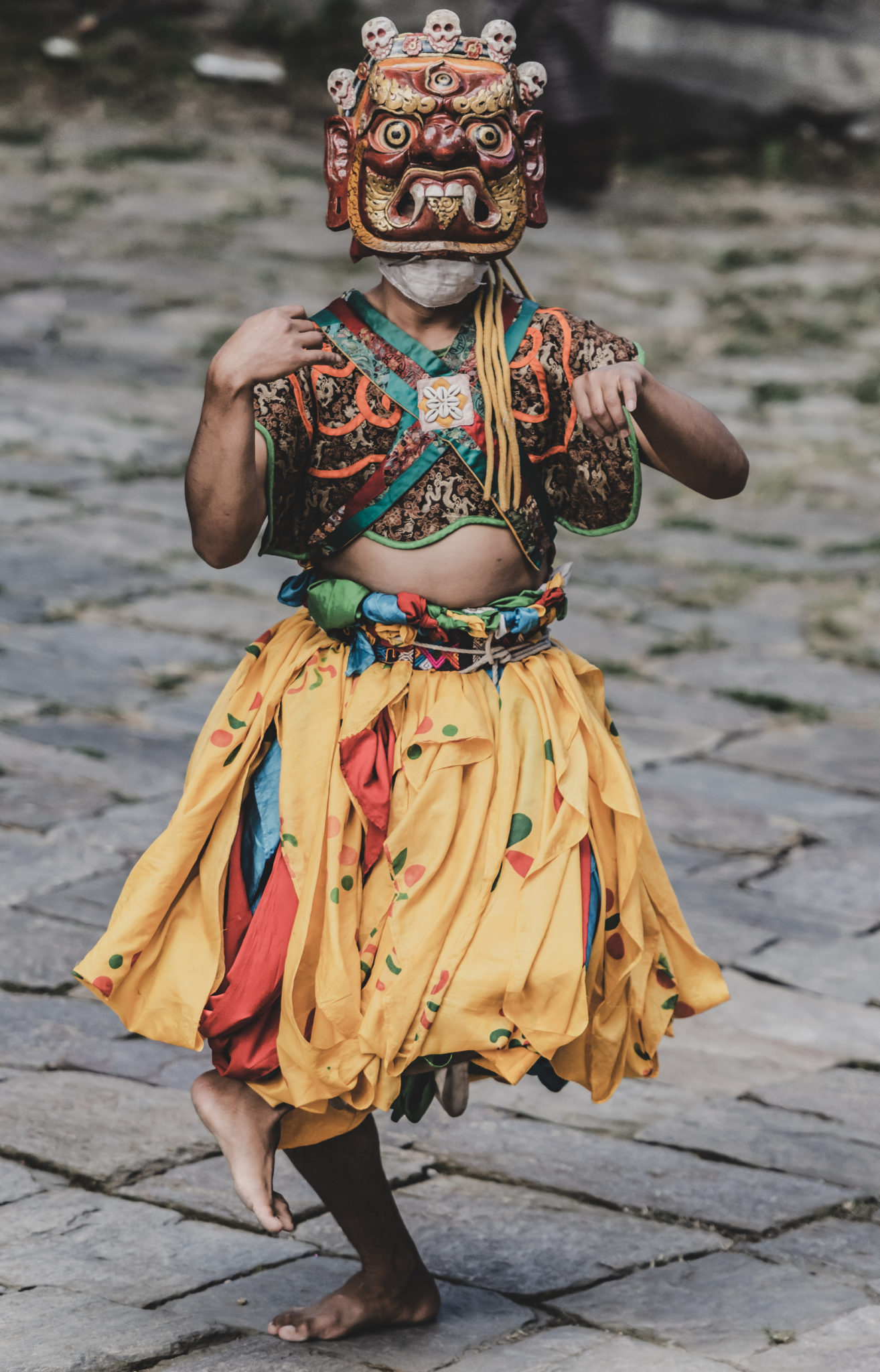
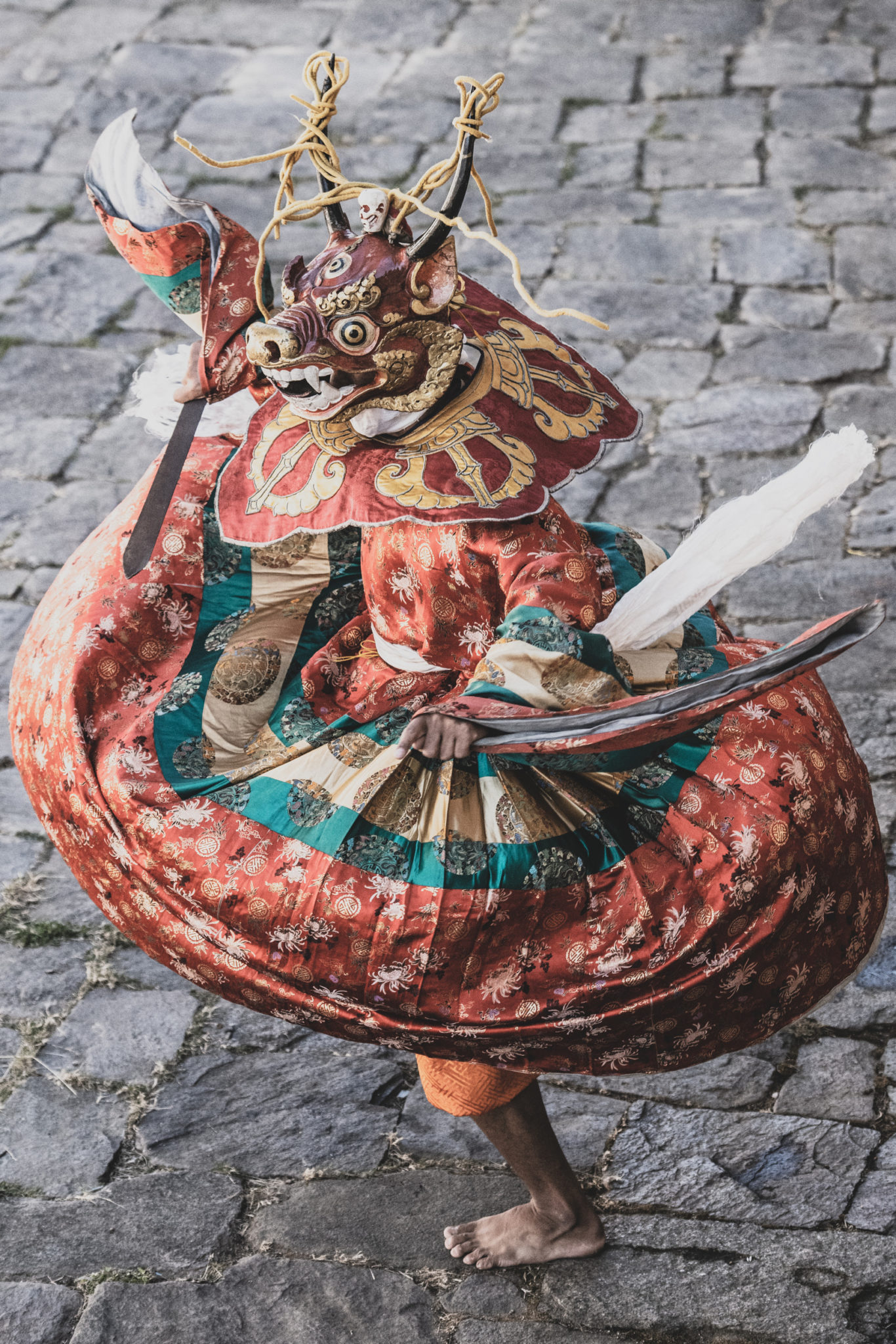
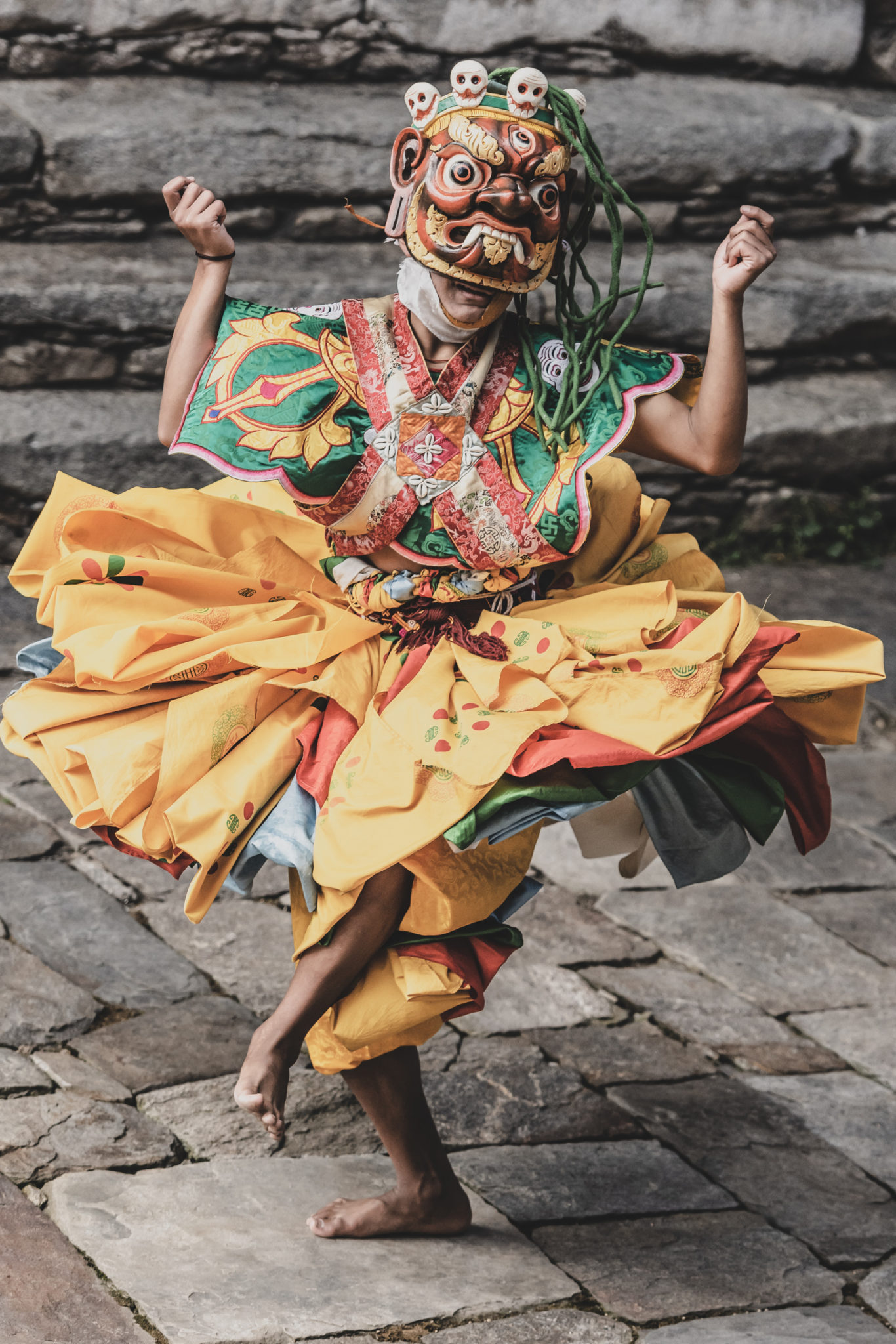
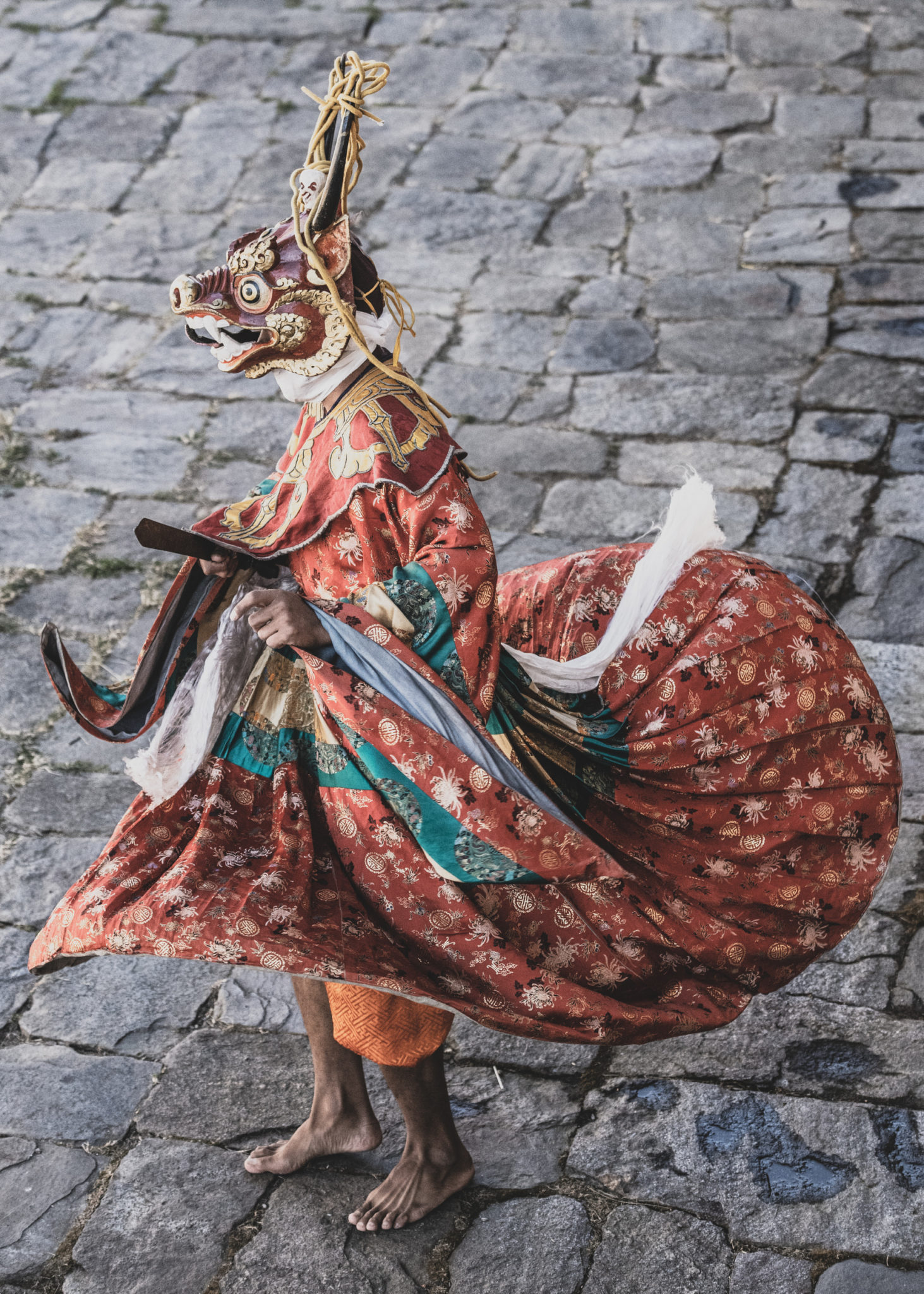
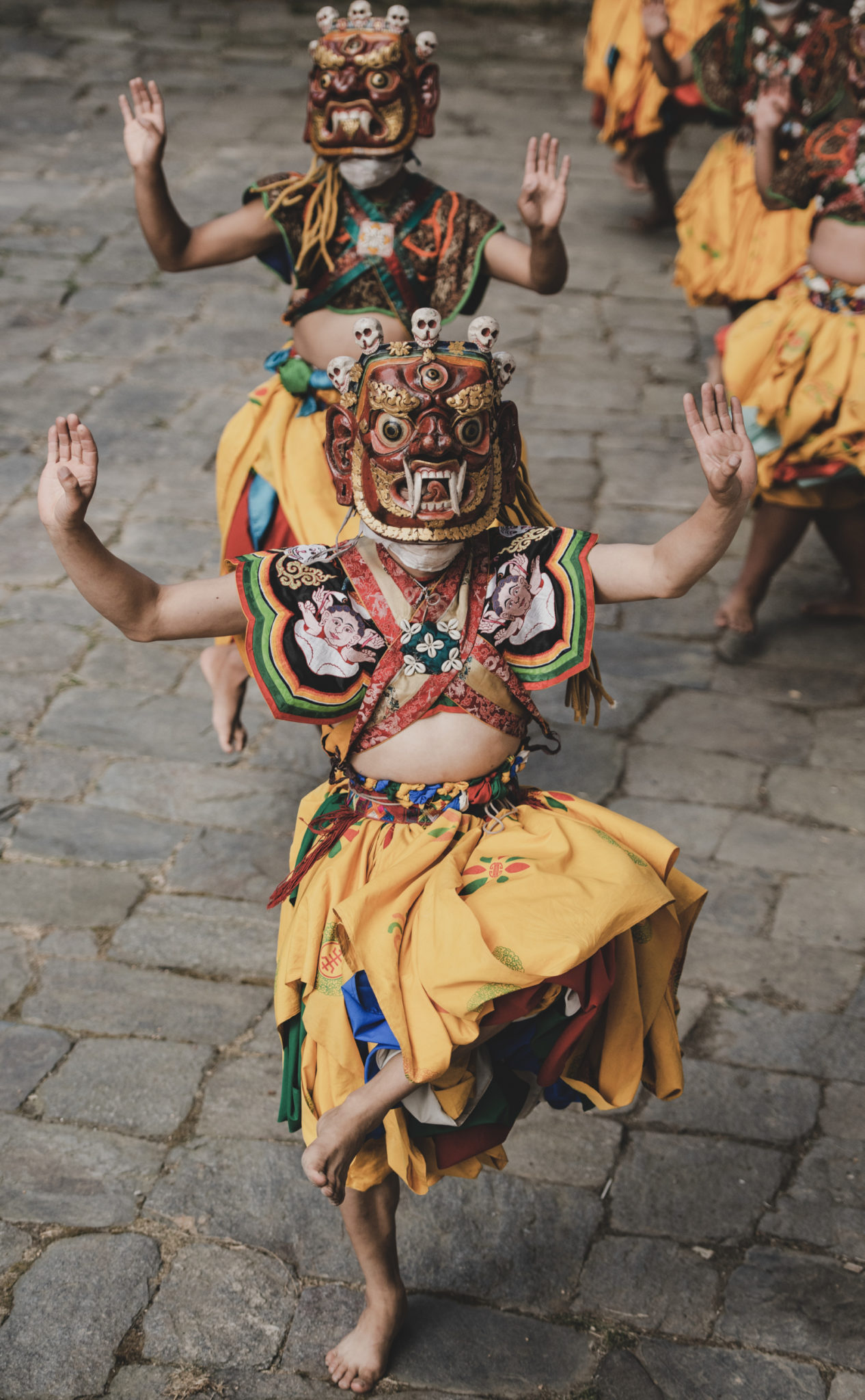
チャムはヒマラヤ文化圏を中心に継承される仮面舞踏であり、特にブータンやチベットの仏教寺院における宗教儀礼の一環として行われる。
多くの場合、ツェチュ(Tsechu)と呼ばれる寺院の祭礼に際して披露されるもので、舞踏の担い手は僧侶や修行者である。
この舞踏は観客に“見せる”ことを目的としたものではなく、神聖な存在や自然への“捧げもの”として位置づけられている。
舞いのひとつひとつが祈願や浄化、感謝、共生の誓いを象徴し、宗教的意味を持った儀式として厳粛に執り行われる。
舞踏者は多くの場合、神仏や精霊などを象った仮面と儀礼装束を身につける。仮面を着けることで個の人格は一時的に消失し、舞踏者は自己を超えた存在となる。
「仮面の内側で人は人をやめ、風となり、大地となり、自然となる」という伝承的な言葉にも集約されている。
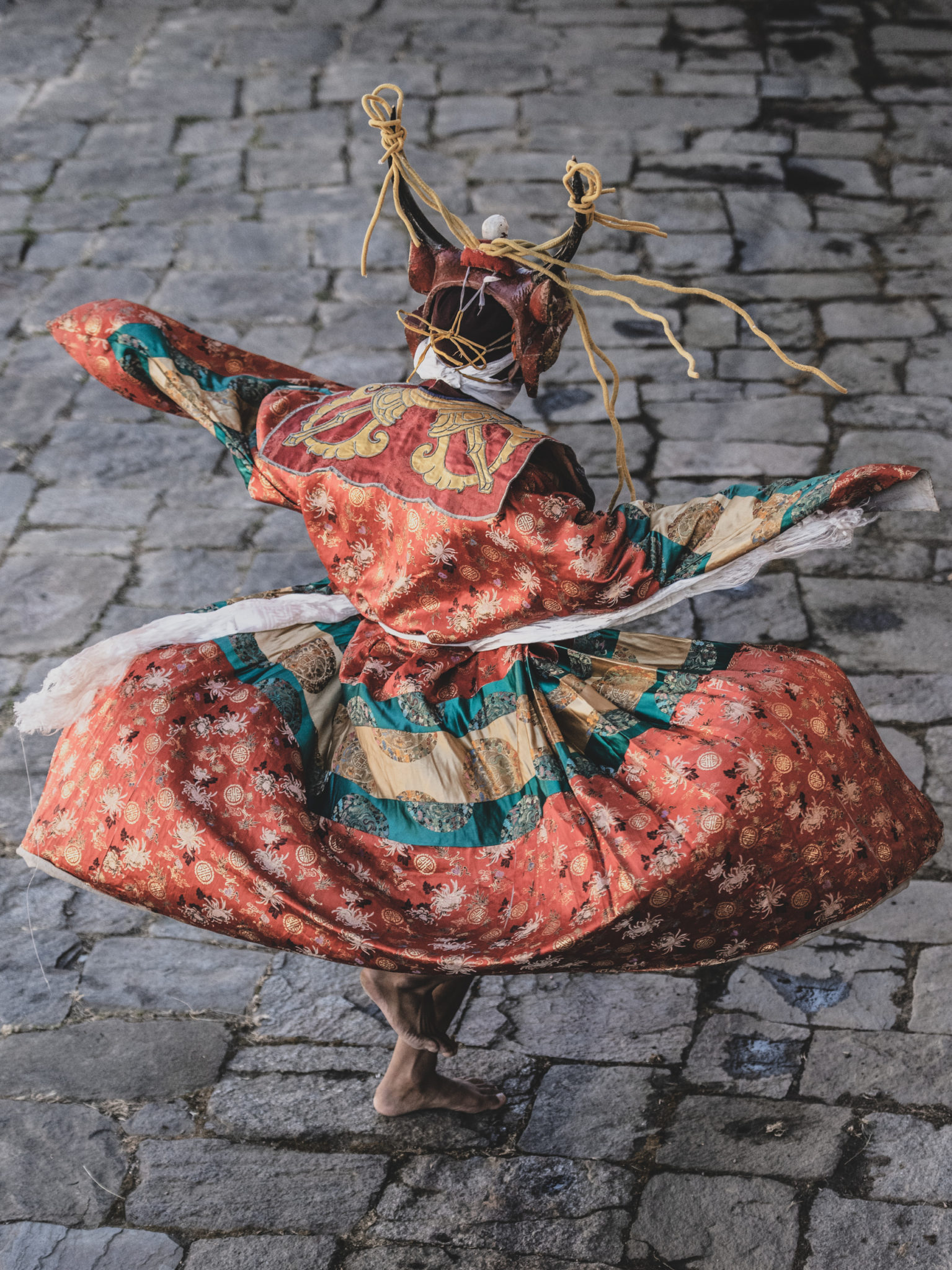
所作は円を描く旋回、それらはしばしば曼荼羅を模していると解釈される。火の轟き、大地のうねり、川の流れ、風の螺旋といった森羅万象を体現し、視覚だけでなく身体的感覚を通して観る者に自然との一体感を想起させる。
Read in English — ✴︎ Cham
Cham is a masked dance tradition preserved mainly within the Himalayan cultural sphere, especially as part of religious rituals in Buddhist monasteries in Bhutan and Tibet.
It is most often performed during temple festivals known as Tsechu, and the dancers are typically monks or dedicated practitioners.
The purpose of this dance is not to “entertain” spectators but to serve as an offering to sacred beings and to nature itself. Each movement symbolizes prayers, purification, gratitude, and vows of coexistence, and the performance is conducted with solemnity as a ritual imbued with deep religious meaning.
The dancers usually wear ritual costumes along with masks representing deities, buddhas, or spirits. By donning the mask, the dancer’s individual identity is temporarily dissolved, allowing them to embody a being beyond the self.
This is encapsulated in the traditional saying: “Behind the mask, one ceases to be human and becomes the wind, the earth, and nature itself.”
The choreography often involves circular rotations, which are sometimes interpreted as embodying a mandala. Through movements evoking the roar of fire, the heaving of the earth, the flow of rivers, and the spirals of wind, the dance manifests the forces of the cosmos. It conveys not only a visual spectacle but also a visceral, bodily sense of unity with nature.
↩︎ Back to Wander Visual Library
↩︎ Go to Top
Maebashi | Endemic Enclave | Japan